Featured
Table of Contents
Customers may not even know that their existing symptoms are attached to previous traumatic experiences. As a specialist, recognizing these subtle indicators allows you to supply suitable support and overview your clients in the direction of recovery. Unresolved injury can considerably influence a customer's development in therapy, producing challenges that hinder growth and healing.
CBT aids customers in transforming trauma-related ideas and beliefs that add to their distress. Via cognitive restructuring, clients find out to determine and test unhelpful ideas, changing them with more balanced and sensible point of views. Mindfulness and body awareness methods assist customers attend to physical trauma feedbacks by raising their ability to control their worried system.
Certain therapies like eye activity desensitization and reprocessing (EMDR) and trauma-focused cognitive behavior therapy (TF-CBT) directly address injury memories and their connected feelings. These approaches help customers refine traumatic experiences in a secure and regulated manner, lowering the strength of their injury reactions with time. When functioning with clients who have actually experienced trauma, it is necessary to pace the therapeutic procedure according to their private demands and readiness.
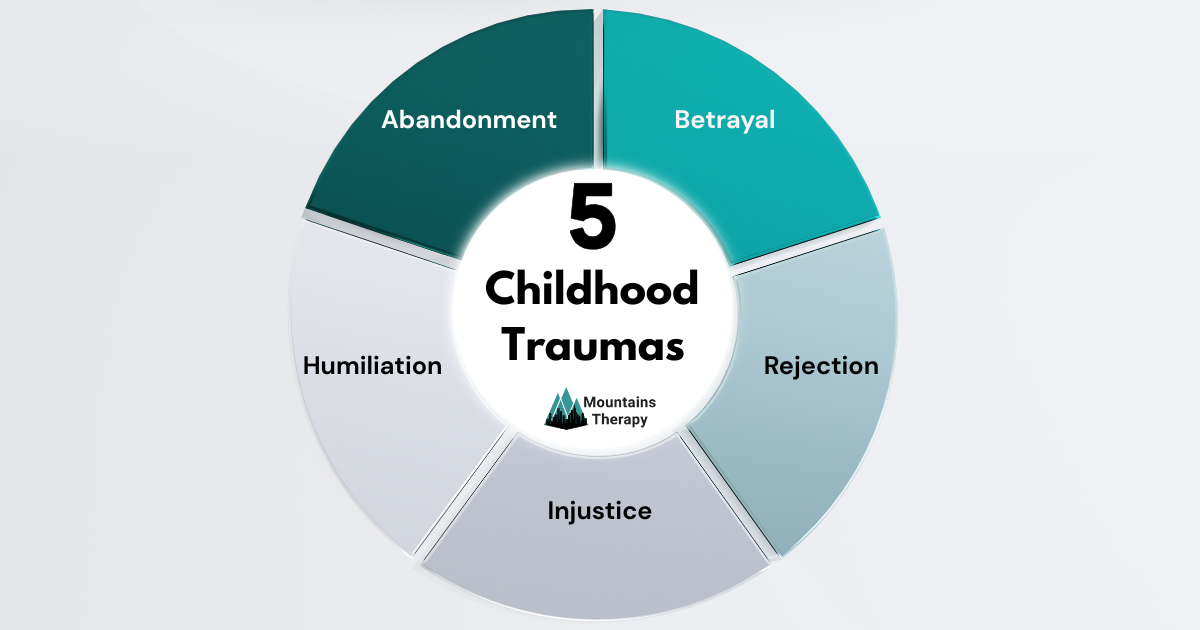
Producing a risk-free, foreseeable, and encouraging environment is very important for clients to feel comfortable exploring their injury and establishing new coping techniques. This includes developing clear limits, preserving consistency in sessions, and providing a non-judgmental space where customers really feel heard and validated. The therapist plays a vital duty in producing security and trust fund, which are key for recovery injury.
Trauma Treatment That Respects Neurodivergent Lived Experience
Trauma survivors usually fight with sensations of pity, guilt, or self-blame associated to their injury. Specialists can aid ease these feelings by: Acknowledging that trauma feedbacks are normal responses to irregular occasions. Strengthening that the customer is not to condemn for their distressing experiences. Concentrating on the client's capability to survive and look for help.
In time, this exposure can deeply influence a specialist's worldview, spirituality, and feeling of self. Specialists must focus on self-care and look for supervision when taking care of customers that have complex trauma actions. This consists of: Normal workout, meditation, leisure activities, and leisure techniques can help handle anxiety levels. Peer assistance groups, guidance, and personal treatment sessions offer possibilities to refine psychological effects and maintain health.
Questions to Ask When Finding a Clinician
Committing time to individual connections, rate of interests, and self-care tasks beyond work is necessary for total health. Therapists should also stay mindful of their own emotional reactions and how vicarious injury may affect their technique. This means acknowledging typical symptoms such as sadness, rage, irritability, trouble focusing, adverse ideas, social withdrawal, fatigue, and physical complaints.
Supplying culturally receptive solutions that attend to historical trauma and relocate past stereotypes. Specialists can make use of numerous strategies to help clients handle their injury reactions, such as grounding exercises, cognitive behavior modification, somatic methods, and trauma-focused therapies like EMDR and TF-CBT. Pacing the restorative procedure according to the client's readiness and maintaining a predictable, supportive atmosphere are necessary for avoiding re-traumatization and fostering a feeling of control.
You may experience: Chronic frustrations or migrainesMuscle tension, especially in the neck and shouldersDigestive issues (like IBS or nausea)Unexplained chronic pain or fatigueIf physicians have actually told you your symptoms are "simply stress," yet absolutely nothing seems to aid, your body could be keeping injury in methods you didn't understand. If any one of this reverberates, therapy can help you comprehend, procedure, and recover.
As therapists, we commonly hear the inquiry "Just what is an injury response?" from our customers. It's a fantastic concern, and one worth discovering deeply. While much of us utilize words "trauma" and "stress" as if they mean the exact same point in day-to-day discussion, there's actually far more to recognize regarding just how injury distinctively impacts our psychological health.
Why Nervous System Dysregulation Shows Up Uniquely in ADHD Brains
Consider trauma actions as your body and mind's method of safeguarding you when something takes place that feels also huge to take care of. When we experience something frustrating or deeply distressing, our brain kicks right into survival mode. You could have heard of "battle or flight" however there's additionally "freeze" and "fawn" (people-pleasing). These aren't just abstract principles; they're really actual responses that can appear as soon as possible or in some cases years later on, relying on what you've been through.
Injury feedbacks can show up in daily circumstances or throughout treatment sessions. Clients might end up being easily activated, shut down psychologically, or respond highly to certain topics.

Customers could not also be mindful that their current symptoms are linked to past terrible experiences. As a therapist, acknowledging these subtle signs permits you to give ideal support and overview your clients towards recovery. Unsolved injury can considerably impact a client's progress in treatment, producing challenges that impede growth and recovery.
CBT help customers in transforming trauma-related ideas and ideas that add to their distress. With cognitive restructuring, clients find out to identify and test purposeless thoughts, replacing them with even more balanced and practical point of views. Mindfulness and body recognition practices help clients address physical trauma actions by increasing their ability to manage their nerve system.
The Connection Between Camouflaging and Chronic Stress
Specific therapies like eye motion desensitization and reprocessing (EMDR) and trauma-focused cognitive behavior modification (TF-CBT) straight address trauma memories and their linked feelings. These strategies help customers refine terrible experiences in a safe and regulated manner, lowering the intensity of their trauma reactions with time. When functioning with clients that have experienced injury, it is essential to rate the therapeutic process according to their private demands and readiness.
Creating a safe, predictable, and helpful setting is necessary for clients to really feel comfy exploring their trauma and creating brand-new coping strategies. This includes developing clear limits, preserving uniformity in sessions, and offering a non-judgmental room where clients feel heard and validated. The specialist plays a vital duty in creating safety and security and trust fund, which are vital for healing injury.

Table of Contents
Latest Posts
Final Phase in Psychoanalytic Work for Integration
Evidence Supporting Multi-Modal Therapy incorporating EMDR, Brainspotting, and DBT for Best Results
Looking Beyond Traditional Cognitive Methods
More
Latest Posts
Final Phase in Psychoanalytic Work for Integration
Evidence Supporting Multi-Modal Therapy incorporating EMDR, Brainspotting, and DBT for Best Results
Looking Beyond Traditional Cognitive Methods